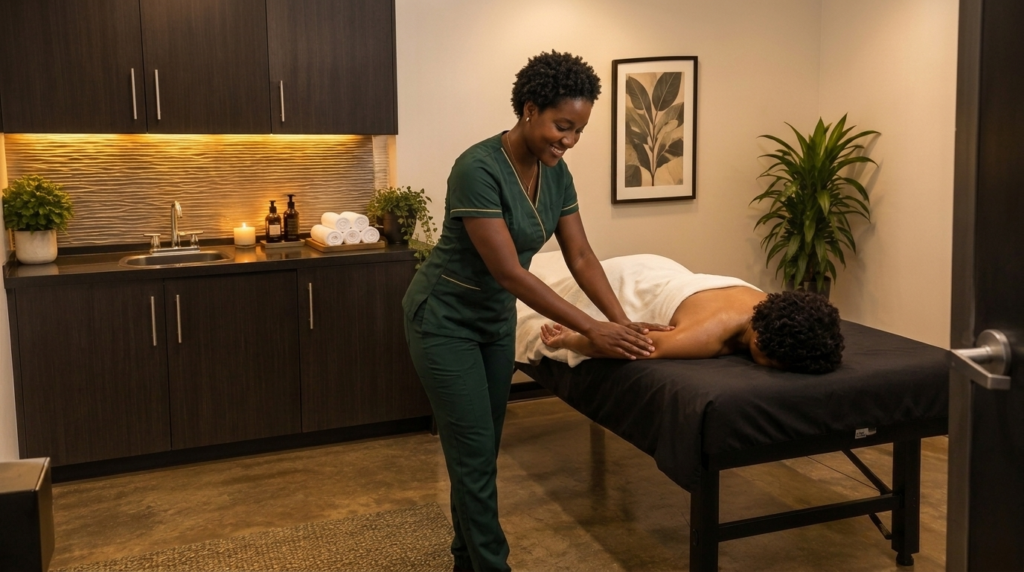
Manual lymphatic drainage (MLD) is a gentle, specialized massage technique designed to support the movement of lymph fluid through the body’s lymphatic system. It uses slow, rhythmic, and controlled movements to encourage lymph flow and may help manage certain types of swelling when performed by a trained professional.
At Kahabi Lymphatic & Recovery, we believe understanding your treatment options is an important part of making informed decisions about your wellness and recovery. Here’s what you should know about manual lymphatic drainage, its potential benefits, and what to expect during a session.
What Is Manual Lymphatic Drainage?
Manual lymphatic drainage is a specialized hands-on technique that uses light, precise movements on the skin to encourage the movement of lymph fluid toward functioning lymphatic pathways.
The lymphatic system plays an important role in fluid balance and immune function. It consists of a network of vessels, lymph nodes, and tissues that help transport lymph, a fluid containing water, proteins, immune cells, and other substances.
Unlike traditional massage, which may use deeper pressure to address muscle tension, manual lymphatic drainage generally uses gentle, rhythmic movements. The technique follows specific pathways and is adapted to the individual’s needs and health history.
Potential Benefits of Manual Lymphatic Drainage
The benefits of manual lymphatic drainage depend on the person’s health, the reason for treatment, and the practitioner’s assessment. It is commonly used as part of care for certain lymphatic conditions and swelling.
1. Supports Fluid Movement
Manual lymphatic drainage may help move excess fluid from affected tissues into functioning lymphatic pathways. It is sometimes used as part of a broader treatment plan for lymphedema or other conditions involving fluid accumulation.
2. May Help Manage Certain Types of Swelling
When appropriate, manual lymphatic drainage can be one component of a treatment plan for swelling. Depending on the condition, care may also include compression, movement, skin care, and guidance from a qualified healthcare professional.
3. Can Be Used in Some Post-Operative Recovery Plans
Some individuals receive lymphatic care following surgery to help manage swelling. However, the appropriate timing and type of treatment depend on the procedure, healing progress, and the surgeon’s instructions.
Always obtain clearance from your surgical team before receiving post-operative lymphatic treatment. Manual lymphatic drainage is not appropriate for every procedure or complication.
4. Uses Gentle, Controlled Touch
Manual lymphatic drainage is generally performed with light pressure rather than the deep pressure used in some other massage techniques. The practitioner adjusts the approach to the person’s needs and treatment goals.
5. May Support Comfort and Relaxation
Some people find a gentle lymphatic session relaxing. Individual experiences vary, and relaxation should not be confused with treatment of an underlying medical condition.
What Conditions May Manual Lymphatic Drainage Be Used For?
Manual lymphatic drainage may be considered in specific circumstances, including:
- Lymphedema: A condition involving fluid buildup that causes swelling, often in an arm or leg.
- Certain types of post-operative swelling: When the surgical team approves lymphatic treatment.
- Some lymphatic conditions associated with cancer treatment: As part of an individualized care plan coordinated with appropriate healthcare professionals.
- Selected cases of fluid-related swelling: After assessment to determine whether lymphatic treatment is appropriate.
Not all swelling is caused by a lymphatic problem. Sudden, unexplained, painful, red, or warm swelling requires medical assessment rather than massage.
What to Expect During a Manual Lymphatic Drainage Session
Knowing what happens during a session can help you feel more comfortable and prepared.
1. Initial Consultation
Your session should begin with a conversation about your goals, health history, current symptoms, and any relevant medical treatment or surgery. Your practitioner may ask about medications, swelling, recent procedures, and guidance from your healthcare team.
This information helps determine whether manual lymphatic drainage may be appropriate or whether medical clearance is needed first.
2. Personalized Treatment Approach
If treatment is appropriate, your practitioner will explain the planned approach and answer your questions. The areas treated and techniques used depend on your individual circumstances.
For post-operative clients, the treatment plan should follow the surgeon’s restrictions and recommendations.
3. Gentle, Rhythmic Movements
Manual lymphatic drainage generally involves slow, light, rhythmic movements applied in a specific sequence. The practitioner works with the skin and superficial tissues rather than applying forceful pressure to the muscles.
The session should be adjusted to your comfort and the goals established during the consultation.
4. After Your Session
People respond differently to treatment. Your practitioner may discuss general self-care, follow-up appointments, or coordination with your healthcare provider when relevant.
Follow any instructions provided by your medical team, particularly if you are recovering from surgery or receiving treatment for a diagnosed lymphatic condition.
Who Should Avoid Manual Lymphatic Drainage?
Manual lymphatic drainage is not suitable for everyone. Certain conditions require medical evaluation or may make treatment inappropriate, including suspected blood clots, acute infections, and some serious heart or kidney conditions.
If you have unexplained swelling, fever, a new area of redness or warmth, or sudden pain, seek medical advice before scheduling a session. Sudden shortness of breath or chest pain requires emergency medical attention.
If you are recovering from surgery, have cancer-related health concerns, or have a diagnosed medical condition, consult your healthcare team about whether this technique is appropriate for you.
Manual Lymphatic Drainage vs. Traditional Massage
Although both treatments involve hands-on techniques, they have different purposes.
Traditional massage may focus on muscle tension, relaxation, or soft-tissue comfort and can involve a range of pressures. Manual lymphatic drainage uses a specialized sequence of gentle movements intended to support lymph fluid movement.
The right approach depends on your needs. Deeper pressure is not necessarily better for swelling, and manual lymphatic drainage should be performed by someone with appropriate training for your situation.
Is Manual Lymphatic Drainage Right for You?
Manual lymphatic drainage may be worth discussing with a qualified practitioner if you have a diagnosed lymphatic condition, have been referred for lymphatic care, or are considering treatment as part of an approved recovery plan.
A consultation can help clarify your goals, identify relevant health considerations, and determine whether the technique is appropriate for your circumstances. When medical care is needed, lymphatic treatment should complement—not replace—guidance from your healthcare provider.
Explore Lymphatic Care at Kahabi Lymphatic & Recovery
At Kahabi Lymphatic & Recovery, we emphasize personalized care, thoughtful consultations, and treatment approaches tailored to individual needs. Whether you’re exploring lymphatic services or seeking guidance about recovery support, understanding your options is a useful first step.
If you are considering a session, contact Kahabi to discuss your goals and ask whether an appointment may be appropriate for you.
Ready to take the next step? Book a consultation with Kahabi Lymphatic & Recovery to learn more about available services and determine the best next step for your needs.
Disclaimer: This article is for educational purposes only and is not a substitute for medical advice, diagnosis, or treatment. Individual results vary. Consult an appropriate healthcare professional about swelling, post-operative care, or any medical condition before beginning treatment.